
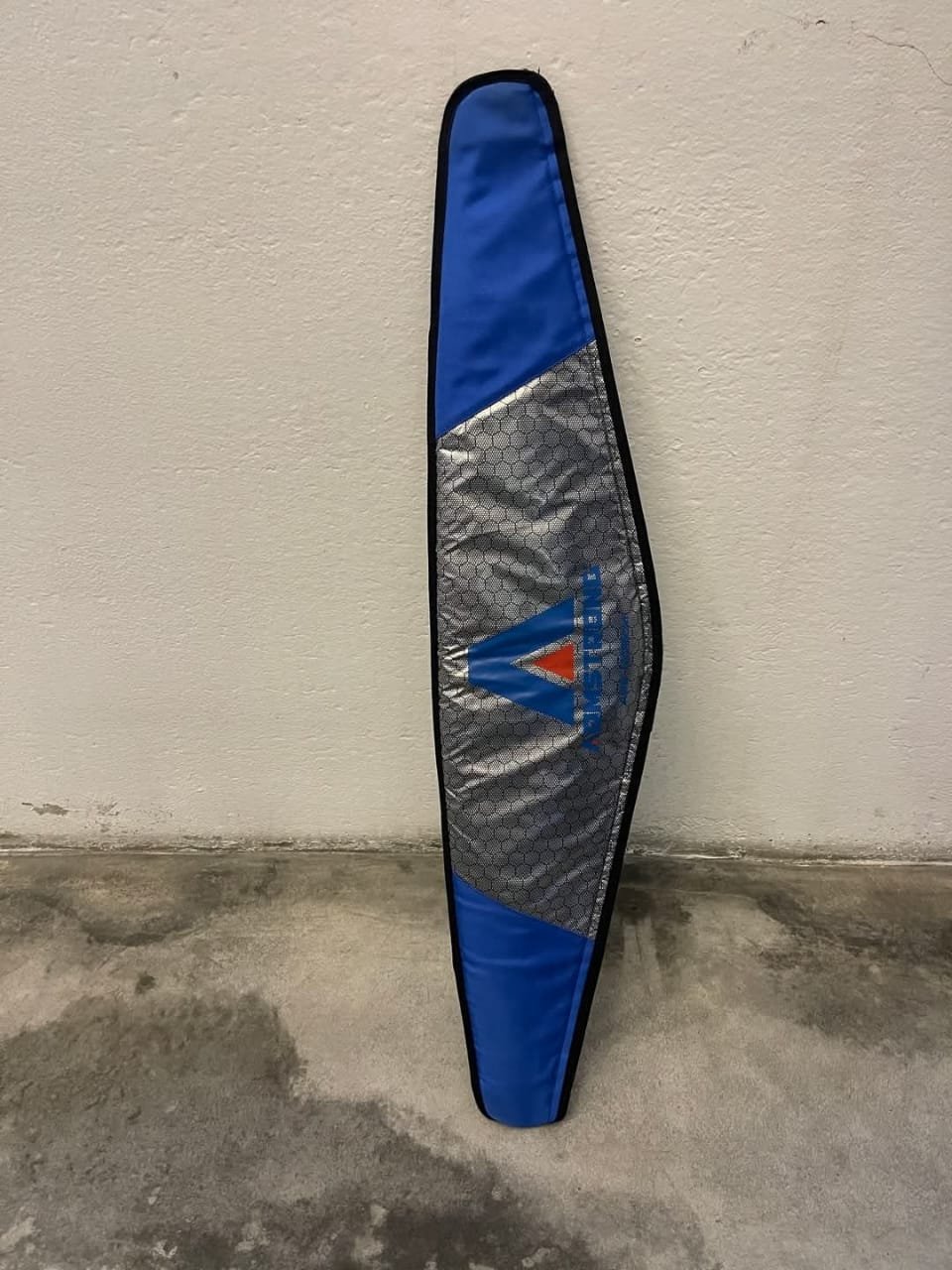

APF 1675
€300.00
Description
APF 1675
A High-Glide Foil Designed for Early Lift, Stability, and Effortless Progression
Foiling becomes transformative when lift feels predictable and glide feels effortless. The APF 1675 has been designed to deliver exactly that experience. Instead of demanding speed, power, or perfect timing, this front wing supports smooth takeoffs, stable flight, and relaxed control across a wide range of conditions.
From first flights to long-distance cruising, the APF 1675 prioritizes accessibility without sacrificing meaningful performance. Every design choice supports confidence, efficiency, and inclusivity, making this wing a dependable foundation for riders focused on progression and enjoyment.
Built Around Ease, Not Intimidation
Many riders struggle not because of ability, but because equipment demands too much too soon. The APF 1675 addresses this challenge by emphasizing controlled lift and calm handling.
Rather than producing sudden vertical rise, lift builds progressively. As a result, takeoffs feel smoother and more manageable. This behavior allows riders to stay balanced while transitioning onto foil, reducing hesitation and unnecessary falls.
Because stability remains consistent, mental load decreases. Riders can focus on stance, trim, and direction instead of fighting the foil.
Why 1675 cm² Changes the Experience
Surface area shapes everything about foil behavior. With its generous 1675 cm² platform, the APF 1675 creates lift efficiently at lower speeds.
Instead of requiring aggressive pumping, the wing rises naturally. Consequently, lighter wind conditions become more accessible, and energy expenditure drops significantly.
Additionally, the larger surface promotes glide. Once flying, altitude is maintained with minimal input, allowing longer, smoother runs that feel calm and controlled.
Designed for Real Conditions, Not Ideal Ones
Water is rarely flat. Wind rarely steady. Riders rarely perfect. The APF 1675 has been designed to thrive in these realities.
Rather than reacting sharply to chop or small balance shifts, the wing dampens movement. Because feedback remains predictable, corrections feel intuitive instead of urgent.
This consistency supports safer riding, especially in crowded areas or changing conditions.
Key Benefits of the APF 1675
This front wing delivers advantages that directly impact confidence and progression:
-
Early, progressive lift for smoother takeoffs
-
Exceptional glide efficiency reducing rider fatigue
-
High inherent stability supporting balance development
-
Low-speed control ideal for light wind and downwind use
-
Forgiving handling that encourages experimentation
-
Inclusive performance for varied rider weights and skill levels
Each benefit works together to create a calm, confidence-building ride.
A Natural Fit for Progression-Oriented Riders
Progression requires repetition. Repetition requires trust. The APF 1675 builds that trust quickly.
For newer riders, the wing offers a supportive learning platform. Mistakes feel manageable, which accelerates skill development.
For intermediate riders, glide efficiency becomes the standout feature. Flights last longer. Turns feel smoother. Flow becomes easier to maintain.
Even experienced riders appreciate the relaxed, low-effort nature of the wing during light-wind or recovery sessions.
Inclusive Performance by Design
This wing does not assume a specific strength level, body type, or riding style. Instead, it adapts.
Lift distribution remains balanced. Feedback stays calm. Control remains accessible. Because of these qualities, a broader range of riders can enjoy foiling without frustration.
Inclusivity here is not an add-on. It is a core performance feature.
Where the APF 1675 Excels Most
The APF 1675 performs especially well in:
-
Light-wind wing foiling
-
Downwind and glide-focused riding
-
Learning and skill development phases
-
Long, relaxed freeride sessions
-
Riders prioritizing control over speed
Rather than being overly specialized, the wing delivers versatility where it matters most.
Setting the Foundation for the Full Experience
Part 1 establishes what the APF 1675 represents: a high-lift, high-glide front wing engineered to make foiling more accessible, enjoyable, and sustainable over time.
In the next section, we’ll explore construction, materials, and design engineering, revealing how these choices support durability, efficiency, and long-term performance.
Materials, Construction, and Design Engineering
How the APF 1675 Delivers Durable, Efficient, and Consistent Performance
Performance begins with how a foil is built. The APF 1675 has been engineered with materials and construction methods that support stability, glide efficiency, and long-term reliability. Instead of relying on excessive thickness or unnecessary reinforcement, strength has been achieved through intelligent design and balanced material distribution.
Because every element serves a purpose, the wing maintains a refined feel without compromising durability.
High-Efficiency Foil Profile Design
The profile of the APF 1675 has been carefully shaped to optimize lift at low speeds while maintaining smooth water flow. Rather than generating turbulent resistance, the foil encourages clean laminar movement across its surface.
As a result, drag is reduced and glide efficiency improves. This design choice allows riders to reach flying speed sooner and stay airborne longer with less effort.
Additionally, the profile supports predictable behavior during speed changes. When conditions fluctuate, the wing responds calmly rather than abruptly.
Structural Stiffness Without Harshness
Large surface-area wings require careful stiffness management. The APF 1675 balances rigidity and controlled flex to maintain stability without creating a rigid or unforgiving ride.
Instead of transmitting every surface disturbance directly to the rider, the structure absorbs minor variations. Consequently, feedback feels smoother and more manageable, especially in choppy water.
This balance improves comfort while preserving accurate steering response.
Reinforced Load Distribution for Longevity
Stress distribution has been optimized across the wing’s span. High-load areas receive additional reinforcement, while low-stress zones remain lightweight.
Because material has been placed intentionally, the wing resists deformation and fatigue over time. This approach preserves the intended foil shape and ensures consistent performance across many sessions.
Durability here supports both safety and long-term value.
Surface Finish Designed for Glide
Surface quality plays a critical role in efficiency. The APF 1675 features a refined finish that minimizes micro-turbulence and water adhesion.
Rather than relying on raw thickness for strength, the smooth surface enhances glide while protecting the structure from premature wear. As a result, performance remains stable over time.
Precision Manufacturing for Consistent Results
Consistency matters. The APF 1675 benefits from precise manufacturing standards that ensure repeatable geometry and balanced symmetry.
Because each wing is produced to tight tolerances, riders can trust that the foil behaves as intended. This consistency supports predictable handling and reliable feedback session after session.
Highlighted Construction Advantages
Key engineering strengths of the APF 1675 include:
-
Low-speed optimized foil profile for early lift
-
Balanced stiffness supporting stability and comfort
-
Reinforced high-stress zones for long-term durability
-
Smooth surface finish enhancing glide efficiency
-
Consistent manufacturing tolerances ensuring reliability
Each advantage contributes to a wing that feels refined, dependable, and rider-friendly.
Designed for Repeated Use and Progression
As riders progress, equipment should remain supportive rather than limiting. The APF 1675 retains its performance characteristics over time, allowing skills to develop without equipment becoming a bottleneck.
Because the wing maintains shape integrity and handling consistency, it continues to feel familiar and trustworthy as riding ability improves.
Preparing for On-Water Performance Analysis
Part 2 highlights how construction and engineering choices translate into durability and efficiency. In the next section, we’ll explore on-water performance, lift behavior, and real-world handling, revealing how the APF 1675 feels once it’s fully engaged beneath the surface.
On-Water Performance and Ride Experience
How the APF 1675 Feels Once You’re Flying
Performance becomes meaningful the moment the foil leaves the surface. The APF 1675 has been tuned to deliver a calm, confidence-building ride that supports progression, efficiency, and enjoyment across a wide range of conditions. Instead of demanding constant correction, the wing works with the rider, allowing attention to remain on balance, trim, and flow.
From first lift-off to extended glide, behavior stays predictable and forgiving.
Early Lift That Builds Confidence
Takeoff defines the foiling experience. The APF 1675 generates lift at low speeds, which allows riders to rise smoothly without aggressive pumping or perfect timing.
Rather than popping abruptly, the wing lifts progressively. Consequently, balance remains manageable during the critical transition onto foil. This characteristic reduces hesitation and encourages repetition, which accelerates learning.
Because lift arrives early, lighter wind sessions become more accessible and less frustrating.
Glide Efficiency for Longer Flights
Once airborne, glide efficiency becomes the standout feature. The APF 1675 maintains altitude with minimal effort, allowing riders to extend runs and link sections smoothly.
Instead of dropping quickly when power decreases, the wing carries momentum forward. As a result, riders conserve energy and stay engaged longer. This efficiency proves especially valuable for downwind glides and relaxed freeride sessions.
Over time, reduced effort translates into improved technique and endurance.
Stability in Variable Conditions
Water rarely behaves consistently. Chop, wake, and swell all introduce instability. The APF 1675 responds by dampening these disturbances rather than amplifying them.
Instead of reacting sharply, the wing smooths movement. Consequently, feedback feels calm and controlled. This stability supports safer riding and allows riders to remain relaxed even as conditions change.
For many riders, this composure becomes the defining quality of the wing.
Predictable Steering and Control
Directional control has been tuned for clarity rather than aggression. The APF 1675 responds smoothly to input, making turns feel deliberate and manageable.
Rather than feeling locked-in or twitchy, the wing encourages gentle carving. Because response remains proportional, riders can fine-tune direction without overcorrection.
This balance benefits developing riders while still supporting refinement for more experienced foilers.
Performance During Turns and Transitions
Transitions highlight how forgiving a foil truly is. During turns, the APF 1675 maintains lift without sudden drop-off.
Instead of stalling mid-maneuver, the wing supports continuous glide. Consequently, transitions feel smoother and less stressful. This support encourages experimentation and skill growth.
As confidence increases, riders can explore tighter arcs and more dynamic movement.
Reduced Fatigue and Improved Comfort
Comfort plays a critical role in progression. Balanced lift distribution reduces leg strain, while efficient glide minimizes constant pumping.
As fatigue decreases, focus improves. Riders stay on the water longer and practice more effectively. Over time, this comfort becomes a key contributor to consistent improvement.
Highlighted On-Water Performance Benefits
Key ride-experience advantages of the APF 1675 include:
-
Early, progressive lift for easy takeoffs
-
Exceptional glide efficiency for longer flights
-
High inherent stability in variable conditions
-
Smooth, predictable steering
-
Forgiving transitions supporting progression
-
Reduced rider fatigue over extended sessions
Each benefit reinforces confidence and control on the water.
Performance for a Broad Range of Riders
The APF 1675 adapts naturally to different rider profiles.
For newer riders, predictability reduces anxiety and encourages learning. Mistakes feel manageable rather than punishing.
For intermediate riders, glide and stability support refinement. Directional control improves, and flow becomes more natural.
For experienced riders, the wing offers relaxed efficiency during light-wind, downwind, or recovery sessions.
Trust Built Through Consistency
Consistency creates trust. Session after session, the APF 1675 delivers familiar feedback.
Because the wing behaves predictably, riders spend less time adjusting and more time enjoying the ride. Over time, this reliability becomes one of its most valued characteristics.
Preparing for Technical Comparison and Use Cases
Part 3 shows how the APF 1675 performs in real conditions. In the next section, we’ll explore technical specifications, comparative advantages, and ideal use cases, helping riders understand exactly where this wing fits within their quiver.
Technical Specifications, Comparisons, and Setup Advantages
Where the APF 1675 Fits Within Modern Foil Quivers
Clear technical context helps riders make confident choices. The APF 1675 has been engineered to occupy a specific performance space: early lift, high glide, and stable control without unnecessary complexity. Rather than chasing speed extremes, the design prioritizes usable efficiency that translates directly into enjoyable riding.
Because each dimension has been selected intentionally, the wing integrates smoothly into a wide range of setups.
Core Technical Specifications of the APF 1675
The following specifications highlight the design focus of the APF 1675:
-
Front wing surface area: 1675 cm²
-
Foil profile: Low-speed optimized, glide-focused geometry
-
Aspect ratio: Balanced for stability and efficiency
-
Intended disciplines: Wing foiling, downwind foiling, freeride
-
Target conditions: Light to moderate wind and swell
-
Rider focus: Progression, glide, and control
These specifications reflect a commitment to accessibility and long-session comfort.
Why 1675 cm² Is a Sweet Spot for Progression
Surface area defines lift behavior. At 1675 cm², this wing provides enough area to generate lift at low speeds without feeling oversized or cumbersome.
Rather than overpowering the rider, lift arrives smoothly. Consequently, takeoffs feel controlled and repeatable. This characteristic supports confidence during learning phases and remains useful as skills advance.
Additionally, the surface area supports glide without excessive drag, which preserves efficiency during longer runs.
Comparison to Smaller Front Wings
Smaller wings typically prioritize speed and maneuverability. While those qualities suit advanced riders in strong conditions, they can create challenges during progression.
Compared to smaller foils, the APF 1675 offers:
-
Earlier lift at lower speeds
-
Greater stability during takeoff and flight
-
Reduced stall risk during transitions
-
Lower physical demand on the rider
These advantages make the APF 1675 more forgiving and confidence-building.
Comparison to Larger Beginner-Oriented Wings
Larger wings excel at early lift but can feel slow or cumbersome as skills improve. The APF 1675 balances lift with glide efficiency.
Compared to oversized beginner foils, this wing delivers:
-
Cleaner glide with less drag
-
Improved maneuverability
-
More refined steering response
-
Greater long-term usability
Because of this balance, riders are less likely to outgrow the wing quickly.
Setup Compatibility and Equipment Pairing
Versatility enhances value. The APF 1675 pairs effectively with a range of masts, fuselages, and stabilizers, depending on rider goals.
Because lift remains controlled, the wing adapts well to different board volumes and wing sizes. This flexibility allows riders to fine-tune setups without dramatic changes in handling.
As conditions evolve, the APF 1675 continues to feel relevant.
Highlighted Technical and Comparative Advantages
Key reasons riders choose the APF 1675 include:
-
Balanced 1675 cm² surface area for early lift and glide
-
Stable foil profile supporting confidence
-
Forgiving behavior during transitions
-
Versatile compatibility across setups
-
Progression-friendly performance without limiting growth
Each advantage reinforces the wing’s long-term value.
Helping Riders Choose with Confidence
Selecting a front wing can feel overwhelming. By offering clarity and balance, the APF 1675 simplifies the decision.
Rather than being a temporary learning tool, this wing supports riders through multiple stages of progression. As a result, it becomes a reliable foundation rather than a short-term solution.
Preparing for Use Cases and Buyer Intent Coverage
Part 4 defines where the APF 1675 fits technically. In the next section, we’ll explore real-world use cases, rider profiles, and buying scenarios, strengthening both SEO relevance and conversion clarity.
Real-World Use Cases and Rider Profiles
Who the APF 1675 Is Designed For
Understanding how a foil fits into real riding scenarios helps riders choose with confidence. The APF 1675 has been developed to support a wide range of users while maintaining a clear focus on glide, stability, and progression. Rather than being limited to a single discipline or skill level, this wing adapts as riders grow.
Because versatility has been prioritized, the APF 1675 remains useful long after the learning phase.
Ideal Use Cases on the Water
This front wing performs best in situations where early lift and smooth glide matter most.
Light-Wind Wing Foiling
During light-wind sessions, early lift becomes essential. The APF 1675 rises efficiently without aggressive pumping, allowing riders to foil sooner and stay airborne longer.
As wind strength fluctuates, glide efficiency helps maintain momentum. Consequently, sessions feel less stop-and-go and more fluid.
Downwind and Glide-Focused Foiling
For downwind riding, stability and efficiency are key. The APF 1675 carries speed smoothly between bumps, reducing effort and improving flow.
Rather than stalling between sections, the wing maintains lift. As a result, riders can focus on reading water rather than fighting equipment.
Progression and Skill Development
Repetition builds skill. The APF 1675 supports repetition by delivering predictable feedback.
Instead of punishing mistakes, the wing remains forgiving. Balance improves. Timing becomes more natural. Confidence grows with every session.
This supportive behavior accelerates learning while keeping frustration low.
Rider Profiles That Benefit Most
The APF 1675 has been designed with inclusive performance in mind.
Newer Foilers
For riders new to foiling, stability reduces anxiety. Early lift simplifies takeoffs, while predictable handling supports safe learning.
Mistakes feel manageable, which encourages experimentation and steady improvement.
Intermediate Riders
As skills advance, glide efficiency and smooth steering become more important. Intermediate riders appreciate how the APF 1675 supports longer flights, smoother turns, and cleaner transitions.
Because performance remains balanced, the wing continues to feel rewarding rather than restrictive.
Experienced Riders Seeking Efficiency
Even advanced riders value relaxed, low-effort sessions. For light-wind days, recovery rides, or long glides, the APF 1675 offers dependable efficiency without demanding constant input.
Conditions Where the APF 1675 Excels
This wing performs especially well in:
-
Light to moderate wind conditions
-
Flat water and open ocean swell
-
Downwind and glide-oriented sessions
-
Learning and progression environments
-
Long freeride cruises
Rather than requiring perfect conditions, the wing adapts smoothly as environments change.
Highlighted Use-Case Advantages
Key reasons riders choose the APF 1675 include:
-
Early, accessible lift for light-wind riding
-
High glide efficiency reducing fatigue
-
Forgiving handling during learning phases
-
Versatility across disciplines
-
Inclusive performance for varied rider profiles
Each advantage supports confidence and long-term satisfaction.
Supporting Confident Purchase Decisions
Choosing equipment should feel empowering, not overwhelming. The APF 1675 offers a clear path for riders who want stability, glide, and room to grow.
Because the wing adapts as skills evolve, it remains valuable across multiple stages of progression. This longevity strengthens both trust and return on investment.

Reviews
There are no reviews yet.