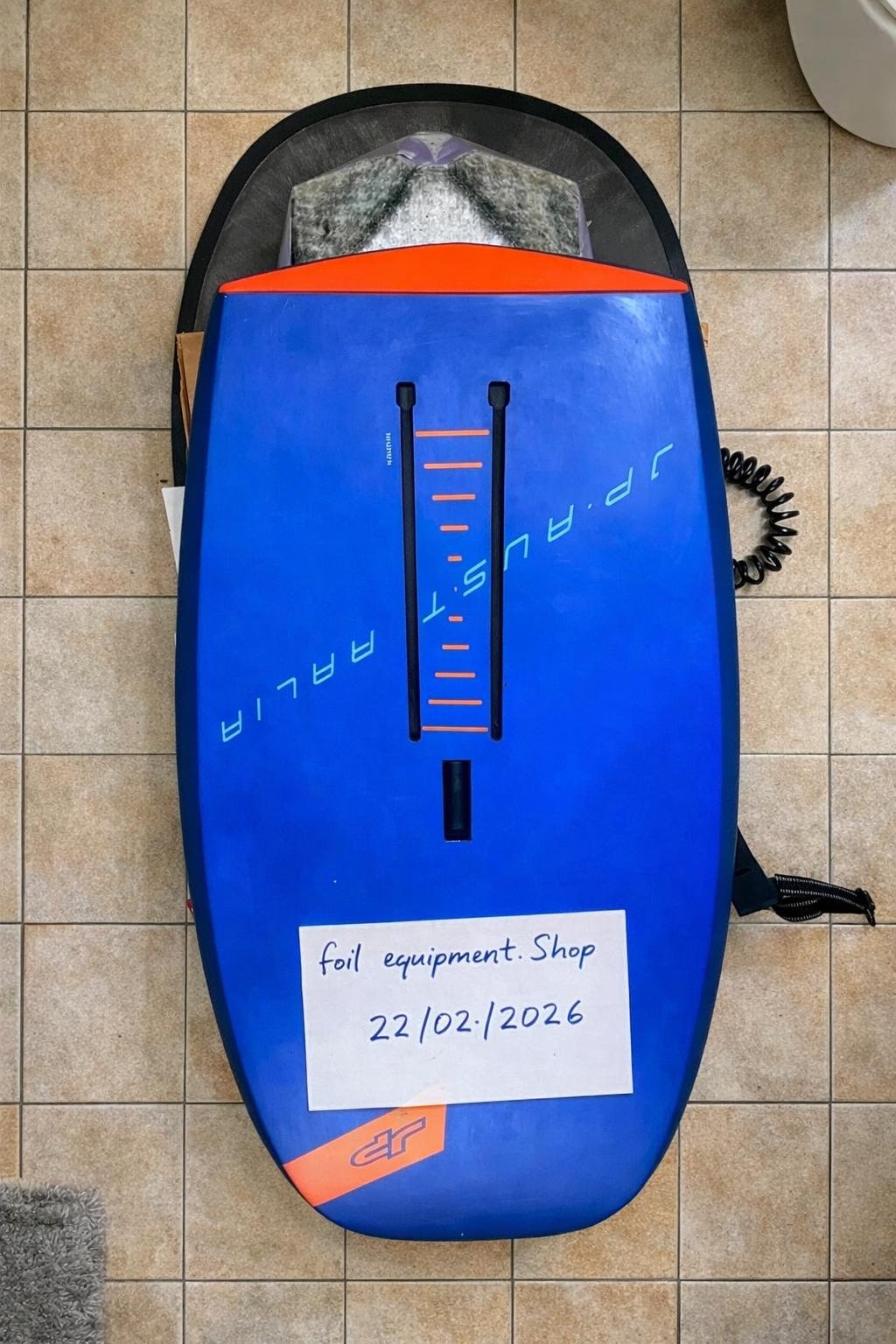
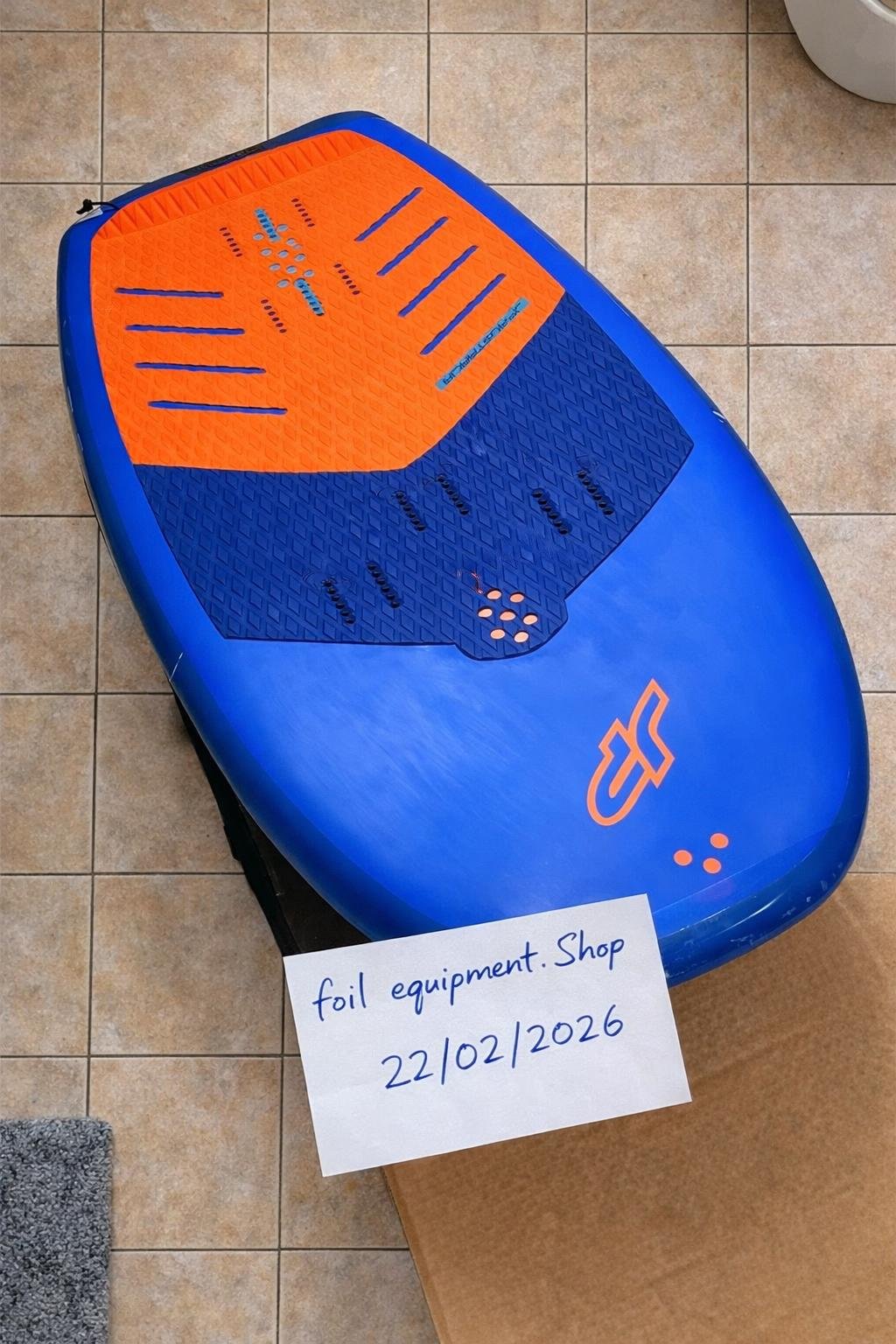
Jp Wing Foil Board
€500.00
Description
JP Australia JP Wing Foil Board – Precision Shaping, Early Lift & Progressive Wing Performance
Modern wing foiling demands balance. Efficient hull design accelerates takeoff. Controlled volume distribution transforms gusty wind into stable glide. The JP Wing Foil Board delivers early lift, responsive handling, and refined stability for riders seeking progression, efficiency, and long-term performance across freeride, wave, and lightwind disciplines
Engineered under JP Australia’s performance-driven shaping philosophy, the JP Wing Foil Board blends lightweight composite construction, reinforced foil-track systems, and carefully tuned deck ergonomics. Consequently, riders experience faster release onto foil, precise carving control, and confident touchdown recovery.
Why Choose the JP Wing Foil Board?
Refined shaping enhances lift timing. Structural stiffness improves foil alignment. Balanced volume distribution supports inclusive progression. The JP Wing Foil Board integrates these qualities into a versatile platform built for diverse rider profiles.
Key Performance Highlights
-
Optimized hull for efficient early takeoff
-
Reinforced dual foil-track system
-
Lightweight yet durable construction
-
Stable deck contour for balanced stance
-
Controlled touchdown recovery
-
Responsive rail-to-rail transitions
-
Compatible with a wide range of foil systems
-
Inclusive sizing options for diverse riders
Moreover, reduced swing weight enhances maneuverability in powered wind.
Technical Overview – JP Wing Foil Board
Every structural element of the JP Wing Foil Board supports performance efficiency and durability.
Core Features:
-
Discipline: Wing Foil
-
Construction: Lightweight composite with reinforced mast tracks
-
Bottom Shape: Optimized for fast water release
-
Deck: Ergonomic contour for stability
-
Skill Level: Beginner to Advanced
Additionally, extended mast-track adjustment allows precise trim calibration.
Early Lift & Takeoff Efficiency
Hydrodynamic efficiency defines progression.
The JP Wing Foil Board features a carefully contoured bottom that reduces drag during acceleration. Therefore, riders achieve foil engagement with smoother pump timing and reduced effort.
Takeoff Benefits
-
Faster release from displacement
-
Reduced nose bounce during acceleration
-
Stable early-flight trim
-
Predictable lift engagement
Efficient water separation sharpens responsiveness.
Volume Distribution & Stability
Balanced flotation improves control.
The JP Wing Foil Board distributes volume strategically to maintain stability without compromising agility. Consequently, riders experience confidence during kneeling starts and powered transitions.
Stability Advantages
-
Controlled pitch alignment
-
Balanced fore-aft trim
-
Stable touchdown recovery
-
Improved balance during jibes
Refined shaping enhances rider confidence.
Carving Control & Rail Responsiveness
Direct feedback accelerates skill development.
The JP Wing Foil Board responds immediately to rider input. As a result, carving transitions feel fluid and precise.
Carving Strengths
-
Smooth lean initiation
-
Stable mid-turn support
-
Clean acceleration on exit
-
Reduced rotational inertia
Optimized outline geometry improves maneuverability.
Foil Track Integration & Structural Rigidity
Alignment determines performance output.
The JP Wing Foil Board integrates reinforced dual foil tracks that distribute load evenly under pressure. Consequently, mast alignment remains consistent even during aggressive carving.
Track System Benefits
-
Extended adjustment range
-
Reduced flex under load
-
Durable mounting interface
-
Precise trim tuning
Rigid integration sharpens steering precision.
Rider Weight & Volume Scaling
Selecting the right volume refines performance.
| Rider Weight | Recommended Volume Strategy |
|---|---|
| 60–75 kg | Lower-volume agile platform |
| 75–90 kg | Balanced all-round board |
| 90–105 kg | Mid-to-high volume stability |
| 105+ kg | Higher-volume lightwind solution |
Foil size and wind strength further influence lift timing.
Wind Range Adaptability
Versatility increases water time.
The JP Wing Foil Board performs across moderate-to-strong wind conditions depending on volume selection. Therefore, riders maintain progression consistency across seasonal changes.
Foil Compatibility & System Synergy
System integration enhances overall performance.
High-Aspect Foils
Increase glide retention and upwind reach.
Mid-Aspect Foils
Balance carving control with lift stability.
Larger Front Wings
Enhance early takeoff in marginal wind.
Strategic pairing unlocks the full potential of the JP Wing Foil Board.
Touchdown Recovery & Error Management
Confidence grows through stability.
The JP Wing Foil Board distributes impact energy evenly during touchdowns. Consequently, riders recover quickly without losing momentum.
Recovery Advantages
-
Predictable nose lift
-
Stable deck alignment
-
Minimal bounce
-
Clean re-engagement
Controlled recovery sharpens progression.
Construction & Long-Term Durability
High-frequency sessions demand resilient materials.
The JP Wing Foil Board integrates reinforced composite layering and impact-resistant rails. Consequently, torsional rigidity remains consistent over time.
Durability Highlights
-
Reinforced foil-track interface
-
Balanced structural layering
-
Impact-resistant rail construction
-
UV-resistant finish
Routine maintenance preserves hydrodynamic efficiency.
Competitive Positioning in Wing Foil Board Category
Compared to entry-level boards, the JP Wing Foil Board offers:
-
Faster takeoff efficiency
-
Sharper carving precision
-
Greater structural rigidity
Compared to ultra-compact sinker boards, it maintains:
-
More forgiving stability
-
Easier lift engagement
-
Broader rider accessibility
Therefore, it occupies a refined all-round performance category.
Inclusive Performance Philosophy
Wing foiling should remain accessible and progressive.
Lighter riders gain agile control and responsive handling. Heavier riders benefit from stable flotation and early lift. Beginners develop predictable takeoff timing. Advanced riders push carving and freestyle limits confidently.
Inclusive shaping supports diverse riding styles.
Highlight Features – JP Wing Foil Board
-
Optimized hull for early takeoff
-
Reinforced dual foil-track system
-
Lightweight composite construction
-
Stable ergonomic deck design
-
Controlled touchdown recovery
-
Responsive rail engagement
-
Compatible with multiple foil systems
-
Versatile volume options
-
Durable impact-resistant rails
-
Strong resale retention
Real-World Session Scenarios
Moderate Coastal Breeze
Efficient takeoff and smooth carving enhance session flow.
Gusty Inland Lake
Stable trim alignment improves confidence during pressure shifts.
Lightwind Setup with Larger Foil
Balanced hull shape supports earlier lift timing.
Versatility maximizes water time.
Final Performance JP Wing Foil Board
Optimized shaping enhances lift. Reinforced construction preserves alignment. Balanced geometry sharpens control.
The JP Wing Foil Board delivers efficient takeoff, precise carving responsiveness, and durable structural integrity within a versatile platform built for progression. Riders gain improved stability, refined handling, and adaptable performance across wind and foil setups.
For those seeking a wing foil board engineered for measurable progression, responsive control, and long-term reliability, the JP Wing Foil Board stands as a strategic investment designed to elevate every session on foil.
JP Australia JP Wing Foil Board – Advanced Hull Dynamics, Pump Efficiency & Performance Tuning
Efficient hull release accelerates lift. Reinforced structure preserves alignment. Balanced geometry sharpens carving precision. The JP Wing Foil Board continues to reward riders who refine setup, optimize foil pairing, and push into powered sessions with technical accuracy.
This section explores bottom contour engineering, pump-to-flight sequencing, mast track calibration, carving compression behavior, stance optimization, and foil system synergy — all engineered to maximize the full performance capability of the JP Wing Foil Board.
Bottom Contour Engineering & Water Release
Hydrodynamics determine takeoff efficiency.
The JP Wing Foil Board integrates a carefully tuned bottom shape that minimizes surface drag during acceleration. Consequently, riders transition from displacement to glide with less resistance.
Bottom Design Benefits
-
Cleaner water separation
-
Reduced suction during pump cycles
-
Stable nose alignment
-
Faster lift engagement
Optimized release enhances early foil efficiency.
Pump-to-Flight Sequencing & Acceleration
Effective pumping defines progression.
The JP Wing Foil Board converts vertical rider input into forward projection through lightweight composite construction and rigid foil-track integration. Therefore, riders achieve smoother lift timing with reduced fatigue.
Pump Efficiency Advantages
-
Immediate energy transfer
-
Stable early-flight trim
-
Reduced cadence strain
-
Consistent foil engagement
Structural stiffness amplifies responsiveness.
Mast Track Calibration & Trim Alignment
Foil placement influences ride feel.
The JP Wing Foil Board features extended dual mast tracks for precise adjustment. Consequently, riders fine-tune balance according to foil size and wind strength.
Mast Position Strategy
-
Forward placement for earlier lift
-
Centered position for balanced freeride
-
Rearward placement for sharper carving
Accurate alignment improves handling consistency.
Carving Compression & Rail Response
Carving requires structural integrity.
The JP Wing Foil Board distributes rider load evenly during deep lean angles. As a result, rail engagement remains progressive and controlled.
Carving Strengths
-
Smooth lean initiation
-
Stable mid-turn lift support
-
Balanced pitch alignment
-
Clean acceleration out of turns
Refined outline geometry enhances agility.
Touchdown Recovery & Stability Management
Surface contact should not disrupt flow.
The JP Wing Foil Board maintains predictable rebound behavior during touchdowns. Consequently, riders recover quickly without excessive bounce or trim loss.
Recovery Benefits
-
Controlled nose lift
-
Stable deck alignment
-
Minimal drag during re-engagement
-
Consistent trim reset
Confidence increases through stable feedback.
Rider Stance Optimization & Ergonomics
Deck shaping influences control precision.
The JP Wing Foil Board incorporates ergonomic deck contours that support balanced foot placement. Therefore, riders maintain efficient leverage during pump sequences and carving transitions.
Ergonomic Advantages
-
Improved balance feedback
-
Stable fore-aft weight transfer
-
Reduced ankle fatigue
-
Enhanced board-to-foil connection
Direct feedback sharpens technique refinement.
Rider Weight & Volume Scaling
Correct volume selection enhances progression.
| Rider Weight | Suggested Volume Approach |
|---|---|
| 60–75 kg | Lower-volume agile setup |
| 75–90 kg | Balanced all-round performance |
| 90–105 kg | Mid-to-high volume stability |
| 105+ kg | Higher-volume lightwind support |
Wind strength and foil surface area further influence selection.
Foil Compatibility & System Strategy
System synergy amplifies performance.
High-Aspect Foils
Increase speed retention and upwind reach.
Mid-Aspect Foils
Balance carving control with lift stability.
Larger Front Wings
Enhance early takeoff in marginal wind.
Strategic pairing unlocks the JP Wing Foil Board’s strongest attributes.
Structural Durability & Long-Term Reliability
High-frequency sessions demand resilience.
The JP Wing Foil Board integrates reinforced composite layering around mast tracks and rails. Consequently, torsional rigidity remains consistent under load.
Durability Highlights
-
Reinforced foil-track interface
-
Balanced structural layering
-
Impact-resistant rail construction
-
Long-term shape retention
Routine care preserves hydrodynamic efficiency.
Competitive Positioning in Wing Foil Board Segment
Compared to entry-level boards, the JP Wing Foil Board provides:
-
Faster takeoff efficiency
-
Sharper carving precision
-
Greater structural stiffness
Compared to ultra-compact sinker boards, it maintains:
-
More forgiving stability
-
Easier lift engagement
-
Broader rider accessibility
Therefore, it occupies a refined performance category.
Inclusive Performance Philosophy
Wing foiling thrives on progression and accessibility.
Lighter riders gain agile responsiveness. Heavier riders benefit from stable flotation. Intermediate riders refine pump timing. Advanced riders push carving and freestyle boundaries confidently.
Inclusive shaping supports diverse riding goals.
Highlight Features – JP Wing Foil Board
-
Optimized hull for efficient takeoff
-
Reinforced dual foil-track system
-
Lightweight composite construction
-
Stable ergonomic deck contour
-
Predictable touchdown recovery
-
Responsive rail engagement
-
Compatible with diverse foil systems
-
Versatile volume options
-
Durable impact-resistant rails
-
Strong resale retention
JP Australia JP Wing Foil Board – High-Wind Precision, Advanced Carving & Freestyle Progression
Stronger wind demands stability. Compact outlines sharpen response. Reinforced construction sustains aggressive riding. The JP Wing Foil Board continues to perform when riders push into powered wing sessions, tighten carving arcs, and explore controlled freestyle progression.
This section focuses on high-wind behavior, carving compression mechanics, pump efficiency under load, aerial readiness, foil alignment fine-tuning, and long-term performance durability — all engineered to maximize the dynamic range of the JP Wing Foil Board.
High-Wind Stability & Trim Control
Powered sessions reveal structural integrity.
The JP Wing Foil Board maintains clean water release at higher speeds. Consequently, riders experience stable trim alignment and reduced nose bounce during accelerated takeoffs.
High-Wind Advantages
-
Controlled lift engagement in gusts
-
Reduced drag during acceleration
-
Stable touchdown recovery
-
Predictable pitch balance
Balanced hull geometry enhances confidence in turbulent airflow.
Advanced Carving Mechanics & Rail Compression
Precision carving requires even load distribution.
The JP Wing Foil Board distributes rider pressure progressively through deep lean angles. As a result, transitions remain fluid rather than abrupt.
Carving Performance Benefits
-
Smooth lean initiation
-
Stable mid-turn lift support
-
Balanced pitch alignment
-
Clean acceleration on exit
Optimized outline shaping improves rail-to-rail flow.
Pump Efficiency in Powered Conditions
Even in strong wind, efficient pumping maintains glide.
The JP Wing Foil Board converts vertical input into forward drive through rigid mast-track integration and lightweight composite layering. Therefore, riders sustain projection between gust cycles with reduced effort.
Pump Efficiency Highlights
-
Immediate energy transfer
-
Reduced cadence fatigue
-
Stable early-flight trim
-
Controlled re-acceleration
Structural rigidity amplifies responsiveness.
Freestyle Readiness & Aerial Capability
Reduced swing weight enhances maneuverability.
The JP Wing Foil Board supports small jumps and surface spins through balanced volume and responsive deck ergonomics. Consequently, riders execute controlled lift-offs and stable landings with refined timing.
Freestyle-Oriented Strengths
-
Quick water release
-
Responsive pitch feedback
-
Stable landing recovery
-
Efficient rebound after touchdowns
Direct board-to-foil connection sharpens aerial precision.
Mast Alignment & Performance Tuning
Fine adjustments elevate performance.
The JP Wing Foil Board’s extended dual mast tracks allow accurate foil placement. Therefore, riders tailor lift timing and carving responsiveness to wind strength and foil type.
Alignment Strategy
-
Forward mast for earlier lift
-
Centered mast for balanced freeride
-
Rearward mast for sharper carving
Precision tuning enhances session consistency.
Rider Weight Scaling & Application Fit
Volume must align with rider mass and wind intensity.
| Rider Weight | Recommended Use |
|---|---|
| 60–75 kg | Agile primary wing board |
| 75–90 kg | Balanced all-round setup |
| 90–105 kg | Strong-wind precision board |
| 105+ kg | High-volume stability platform |
Foil surface area further influences takeoff control.
Foil Compatibility & System Synergy
Integrated setup maximizes efficiency.
High-Aspect Foils
Enhance speed retention and upwind reach.
Mid-Aspect Foils
Balance glide and carving stability.
Larger Front Wings
Improve early lift in marginal wind.
Strategic pairing unlocks the JP Wing Foil Board’s strongest attributes.
Structural Integrity & Long-Term Reliability
Performance boards must endure load cycles.
The JP Wing Foil Board integrates reinforced composite layering around foil tracks and rails. Consequently, torsional stiffness remains consistent under aggressive carving forces.
Durability Highlights
-
Reinforced foil-track system
-
Impact-resistant rail structure
-
Balanced structural layering
-
Long-term shape retention
Routine inspection preserves peak efficiency.
Competitive Positioning in Wing Foil Board Market
Compared to entry-level boards, the JP Wing Foil Board delivers:
-
Faster lift engagement
-
Sharper carving precision
-
Greater structural rigidity
Compared to ultra-compact sinker boards, it maintains:
-
More forgiving stability
-
Easier takeoff sequencing
-
Broader rider accessibility
Therefore, it occupies a refined performance niche within the wing foil category.
Inclusive Performance Philosophy
Wing foiling should empower all riders.
Lighter riders gain agile responsiveness and early lift timing. Heavier riders benefit from stable flotation and controlled strong-wind precision. Intermediate riders refine pump rhythm. Advanced riders push carving and freestyle boundaries confidently.
Inclusive shaping supports diverse progression paths.
Highlight Features – JP Wing Foil Board
-
Optimized hull for early takeoff
-
Reinforced dual foil-track system
-
Lightweight composite construction
-
Stable ergonomic deck contour
-
Predictable touchdown recovery
-
Responsive rail engagement
-
Compatible with multiple foil systems
-
Versatile volume options
-
Durable impact-resistant rails
-
Strong resale retention
JP Australia JP Wing Foil Board – Fine-Tuned Setup, System Integration & Long-Term Value
Refinement unlocks efficiency. Intelligent setup expands range. Structural integrity preserves performance. The JP Wing Foil Board reaches its highest potential when riders optimize mast placement, stance alignment, foil pairing, and volume selection to match wind strength and progression goals.
This final section focuses on advanced tuning strategy, strong-wind optimization, lightwind expansion, foil system synergy, durability care, and long-term ownership value — all engineered to maximize the lifecycle performance of the JP Wing Foil Board.
Micro-Tuning for Maximum Efficiency
Small adjustments create measurable gains.
Mast Track Calibration
Forward mast placement enhances early lift in lighter wind. Centered positioning balances glide and carving. Rearward placement sharpens agility in powered sessions.
Stance Alignment
Slightly forward weight improves pump-to-flight efficiency. Balanced fore-aft stance stabilizes carving compression.
Footstrap Configuration (Optional)
Straps improve leverage for freestyle and strong-wind control while maintaining responsive deck feedback.
Precise tuning elevates consistency across sessions.
Lightwind Expansion Strategy
Volume selection influences marginal wind usability.
Higher-volume versions of the JP Wing Foil Board support stable kneeling starts and earlier takeoff. Consequently, riders extend sessions in lighter breeze while maintaining trim control.
Lightwind Benefits
-
Improved flotation stability
-
Earlier lift timing
-
Reduced stall during acceleration
-
Balanced cruising posture
Strategic foil pairing further enhances early engagement.
Strong-Wind Optimization
Compact outlines excel when wind builds.
The JP Wing Foil Board maintains composed water release at higher speeds. Therefore, riders manage gust acceleration with predictable pitch control and stable touchdown recovery.
Strong-Wind Advantages
-
Reduced nose bounce
-
Faster transition to foil
-
Stable rail engagement
-
Controlled carving entry
Balanced hull geometry enhances confidence in turbulent airflow.
Foil System Synergy & Precision Integration
System alignment defines overall feel.
High-Aspect Foils
Increase speed retention and upwind reach.
Mid-Aspect Foils
Balance glide efficiency and carving stability.
Larger Front Wings
Enhance early takeoff in marginal wind.
Stiffer Carbon Masts
Sharpen steering precision and improve energy transfer.
Strategic integration unlocks the JP Wing Foil Board’s full capability.
Rider Weight Scaling & Equipment Harmony
Volume must align with rider mass and skill progression.
| Rider Weight | Ideal Volume Strategy |
|---|---|
| 60–75 kg | Agile lower-volume setup |
| 75–90 kg | Balanced all-round option |
| 90–105 kg | Stable mid-volume platform |
| 105+ kg | Higher-volume lightwind solution |
Board size, foil surface area, and wind conditions collectively define optimal performance.
Structural Care & Long-Term Durability
High-performance boards require proactive maintenance.
The JP Wing Foil Board integrates reinforced composite layering around mast tracks and rails. Consequently, torsional stiffness remains reliable over time.
Longevity Best Practices
-
Rinse thoroughly after saltwater sessions
-
Inspect mast tracks regularly
-
Avoid prolonged UV exposure
-
Store dry and protected
Routine care preserves hydrodynamic efficiency and structural strength.
Competitive Differentiation in Wing Foil Board Category
Compared to entry-level boards, the JP Wing Foil Board delivers:
-
Faster takeoff efficiency
-
Sharper carving precision
-
Greater structural rigidity
Compared to ultra-compact sinker boards, it maintains:
-
More forgiving stability
-
Easier lift engagement
-
Broader rider accessibility
Therefore, it occupies a refined performance niche suitable for ambitious riders and progressing enthusiasts alike.
Inclusive Performance Philosophy
Wing foiling thrives on accessibility and progression.
Lighter riders benefit from agile responsiveness. Heavier riders gain stable flotation and early lift. Beginners develop predictable takeoff timing. Advanced riders refine carving precision and explore freestyle confidently.
Inclusive shaping supports diverse riding styles and skill levels.
Highlight Features – JP Wing Foil Board
-
Optimized hull for efficient early takeoff
-
Reinforced dual foil-track system
-
Lightweight composite construction
-
Stable ergonomic deck contour
-
Predictable touchdown recovery
-
Responsive rail engagement
-
Compatible with diverse foil systems
-
Multiple volume options
-
Durable impact-resistant rails
-
Strong resale retention
Reviews
There are no reviews yet.